Connecticut Mirror’s Student Voices program provides the training and platform for young opinion writers — 300-plus and counting
By Harriet Jones
In one of my workshops teaching students to write op-eds, a young man raised his hand.
“I’m thinking of writing about gun violence,” he said.
It’s a common enough topic for young people to pick.
“Dig a bit deeper,” I replied. “What exactly would you want to say?”
“I’d like to explain how I recovered from being shot when I was a kid, and tell about the nonprofit my family started to help our neighborhood.”
Encountering young people with such extraordinary experiences and perspectives — and then being able to give them a platform to tell their stories — has been the rewarding work I’ve done for Connecticut Mirror’s Student Voice project since 2021. The state’s largest nonprofit news site has so far published more than 300 new, young writers through this initiative.
And what we’ve done here is absolutely replicable across the country.
Publisher Bruce Putterman has been a driving force for making sure our audience gets to see and hear from young people in the community.
“As I travel the state talking to people, one of the three or four questions I get asked most frequently is whether young people are interested in journalism,” Putterman said. “The hundreds of young people who have participated in Student Voice over the past five years is one indicator that they are.
“Student Voice gives me reason to be optimistic about the future of journalism, whatever form it ultimately takes.”
I am a freelance journalist and opinion editor for CT Mirror, which for the 16 years of its existence has run one of the state’s most lively and well-read opinion pages, Viewpoints.
The news site says in its mission statement that it “amplifies diverse voices and perspectives,” an aspiration so common for a media organization that it could be taken as a platitude. But CT Mirror is putting real dollars behind making diversity a reality.
On the opinion side, one of the demographics we’re investing in most intentionally is young people.
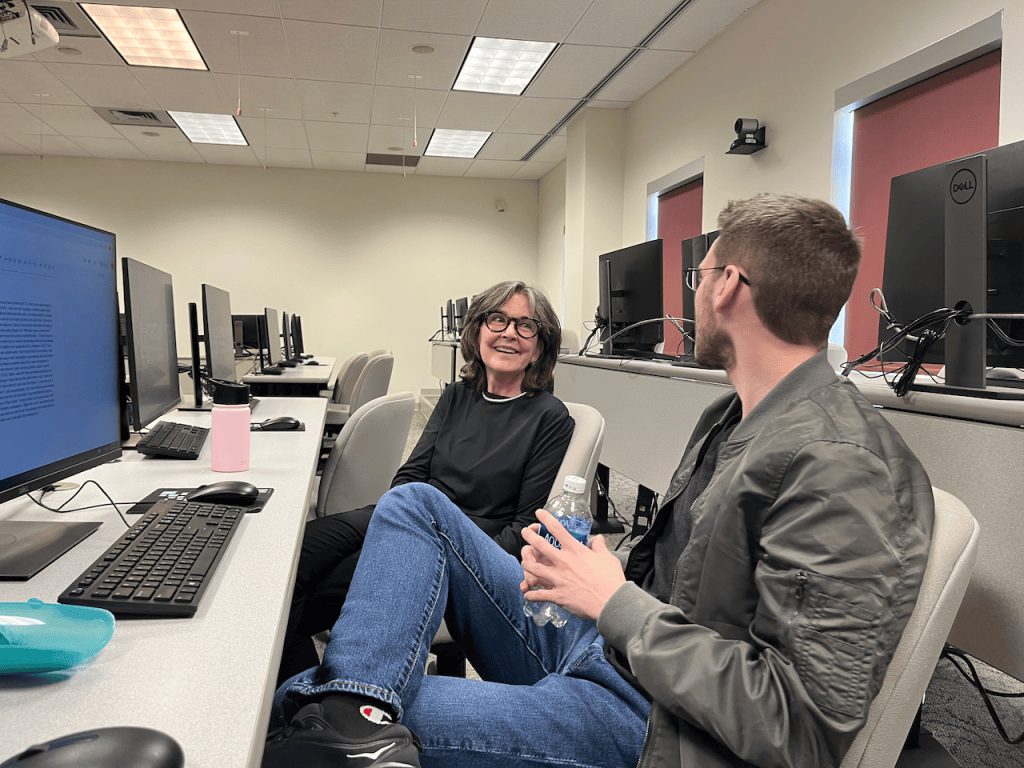
Since the Student Voice program started, I have led about 50 workshops at some 10 colleges and universities around Connecticut, including at Central Connecticut State University, where I met that young gun violence survivor.
Some are undergraduates, while others are graduate students. Some are majoring in journalism, others in political science, law and public policy, environmental science, or nursing. They come from every background, community and socioeconomic status.
What they all have in common is great ideas and an enormous enthusiasm for engaging with the invitation we’re extending: Write an essay about something in public life that you feel passionate about. We will help you edit and polish it, and then we’ll publish it.
These young people sharpen their writing, engage in fact-checking, and in the end get to make published content that they can share with graduate programs and prospective employers. More than this, they get a new tool they can use to engage with the world and civic life, which hopefully they will keep using for a lifetime.
Lorelai Nabung, then a freshman at Mitchell College in New London, wrote a piece about the discrimination she felt when she first joined the workforce at 16 as a newly qualified certified nursing assistant.
“My mom especially wasted no time to share my article all over social media and to our whole family,” she said. In the days that followed, Nabung heard from former colleagues who read the piece and reached out to tell her it had made them rethink their own actions in the workplace.
“I truly appreciated the opportunity to use my voice and advocate for myself and other young healthcare workers,” she said. “From this experience, I understood that people want to hear the voice of young people.”
Many colleges have online guidelines for writing op-eds; some have even focused a lecture or two on the topic. What’s different about this effort is the commitment from a professional media outlet to make it clear we value young voices — and will put in the effort to make sure they have a platform, training and coaching.
Instead of a faceless online op-ed submission page where you click send and hope for publication, at the CT Mirror, I engage with students throughout the semester: reviewing drafts, requesting edits and giving detailed feedback.
I tell the students that my priorities and experiences as a Gen Xer are likely to be very different from theirs on a huge range of issues — from the environment to student debt to housing policy. I might not even think of the things they choose to write about. And time after time, I am proved right.
From foster care journeys to school phone bans to social media legislation; from youth sports to vaccination policies to the death of the corner store — even what’s on offer at the college dining hall and how that connects to climate change — young people have strong opinions and innovative ideas.
We’ve had serious, policy-focused op-eds about cheerleading, makeup, and fast fashion. Explorations of the wonders of community college. Hyper-local reflections on Black history. First-person narratives about the impact of affirmative action in college admissions, or the struggle of living on SNAP benefits. Whatever young people care about, you’re bound to find it pitched and eventually published at CT Mirror.
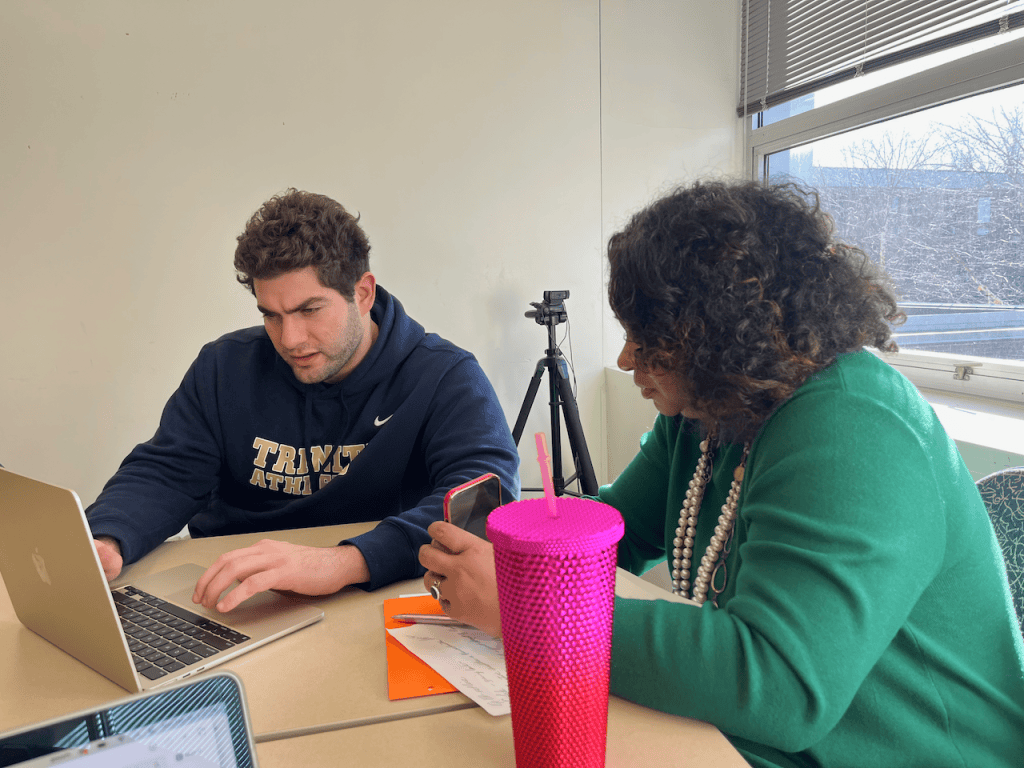
Some professors I work with use the program to help their students engage with civic life in even bigger ways — for instance, advocating for bills in the state legislature and leveraging their op-ed writing to more deeply understand how government actually works.
Along the way, I have come across young people running all kinds of fascinating journalism projects, including a senior project on the history of prison newspapers in Connecticut, and a student at Brown who has returned to his Connecticut high school to run a summer local election coverage bootcamp.
There are also sobering moments to recognize the harder realities for this generation.
Just as it never fails to touch me how many young people I speak with have personal experience of gun violence, there are also a disturbing number of students who have been affected by the opioid epidemic, or touched by the ongoing mental health crisis.
For young people more accustomed to revealing their reality in 30-second videos on social media, the op-ed is both challenging and mind-expanding. The form requires supporting evidence and citations — not just a hot take.
But it remains an appealing idea for young people precisely because the best have a personal edge.
“You can be a character in your own op-ed,” I tell the students.
Our democracy is in trouble, and a big part of the problem is the breakdown of the information environment.
According to the Pew Research Center, only 15% of adults under 30 say they follow the news most or all of the time. More than three-quarters of them say when they do get news it’s usually on social media.
“For young adults news is … about catching news clips on TikTok or headlines on Instagram,” Pew says.
While lots of outlets – CT Mirror included – are putting their excellent journalism into social media channels in bite-size, video-friendly formats, there is another approach to reaching that younger audience: invite young people into a more intimate and knowledgeable relationship with the news by inviting them to contribute their own voices and ideas.
Student Voice is one of the ways CT Mirror is living out its mission in an innovative way, truly democratizing the digital public square.
Harriet Jones is a journalist, podcaster and educator based in Connecticut. She started her career at the BBC and managed the newsroom at Connecticut Public in Hartford. She is now a writer at the Hartford Business Journal, an adjunct professor at UConn, and teaches op ed writing for the Connecticut Mirror.

Leave a comment